cue
cue1 /kjuː/ 
 noun [countable]
Origin: Probably from qu, short form of Latin quando 'when', used as a direction in actors' copies of plays.
Language: French
Origin: queue 'tail, cue', from Latin cauda1. an action or event that is a signal for something else to happen
cue for

Our success was the cue for other companies to press ahead with new investment.
sb’s cue to do something
I think that’s my cue to explain why I’m here.
2. a word, phrase, or action in a play that is a signal for the next person to speak or act:
She stood nervously in the wings waiting for her cue.
miss your cue (=not speak or act when you are supposed to)
3. (right/as if) on cue happening or done at exactly the right moment:
And then, on cue, the weather changed.
As if on cue, Sam arrived.
4. take your cue from somebody to use someone else’s actions or behaviour to show you what you should do or how you should behave:
With interest rates, the smaller banks will take their cue from the Federal Bank.
5.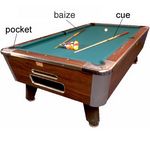
a long straight wooden stick used for hitting the ball in games such as billiards and pool
cue2 verb [transitive]
to give someone a sign that it is the right moment for them to speak or do something, especially during a performance:
The studio manager will cue you when it’s your turn to come on.
cue something ↔ up phrasal verb
to make a cassette, video, or CD be exactly in the position you want it to be in, so that you can play something immediately when you are ready:
The videotape’s cued up and ready to go!
| I |
noun [countable] Sense 1-4
Date: 1500-1600Origin: Probably from qu, short form of Latin quando 'when', used as a direction in actors' copies of plays.
Sense 5
Date: 1700-1800Language: French
Origin: queue 'tail, cue', from Latin cauda
cue for
sb’s cue to do something
2. a word, phrase, or action in a play that is a signal for the next person to speak or act:
miss your cue (=not speak or act when you are supposed to)
3. (right/as if) on cue happening or done at exactly the right moment:
4. take your cue from somebody to use someone else’s actions or behaviour to show you what you should do or how you should behave:
5.
a long straight wooden stick used for hitting the ball in games such as billiards and pool
| II |
verb [transitive]to give someone a sign that it is the right moment for them to speak or do something, especially during a performance:
cue something ↔ up phrasal verb
to make a cassette, video, or CD be exactly in the position you want it to be in, so that you can play something immediately when you are ready: