pad
pad1 S3 /pæd/ 
 noun [countable]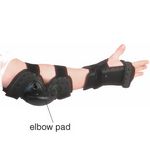
1. SOFT MATERIAL a thick flat object made of cloth or rubber, used to protect or clean something, or to make something more comfortable
pad of

Press on the wound with a large pad of cotton wool.
Use an abrasive pad for stubborn stains.
knee/elbow/shin/shoulder pad (=a pad that you wear to protect a part of your body when you are playing a sport)
2. PAPER several sheets of paper fastened together, used for writing or drawing
writing/sketch/memo/legal etc pad
a box of paints and a sketch pad
Keep a telephone pad and a pen to hand.
a pad of paper
3. FLAT GROUND a piece of flat ground where small aircraft can land
launch/landing/helicopter pad
The hospital has built a helicopter pad.
4. ANIMAL’S FOOT the flesh on the bottom of the foot of a cat, dog etc
5. APARTMENT old-fashioned informal someone’s apartment or the room where they live
6. WATER PLANT the leaf of a water lily
⇨ launch pad, helicopter pad
pad2 verb (past tense and past participle padded, present participle padding)
Language: Low German
Origin: padden 'to go along a path'1. [intransitive always + adverb/preposition] to walk softly and quietly
pad across/through/along etc
The cat came padding silently back to its home.
She padded barefoot down the stairs.
2. [transitive] (also pad (something) out British English) to fill or cover something with a soft material in order to protect it or make it more comfortable
pad something with something
jackets padded out with a soft cotton filling
3. [transitive] American English to dishonestly make bills more expensive than they should be:
padding the bills of Medicare patients
4. [transitive] (also pad (something) out) to make a speech or piece of writing longer by adding unnecessary words or details:
Don’t pad out your answer to make it seem impressive.
pad with
His autobiography is padded with boring anecdotes.
■ to walk quietly
▪tiptoe to walk quietly and carefully on your toes because you do not want to make a noise: I tiptoed out trying not to wake the baby.
▪creep to walk quietly and slowly because you do not want anyone to see or hear you: Stella crept up the stairs, hoping not to wake her parents.
▪sneak to walk quietly so that no-one notices you, especially because you are doing something you should not do: They sneaked off without paying. | I quickly sneaked out to have a cigarette.
▪pad to walk quietly without wearing shoes – also used about cats and dogs walking quietly: Michelle got up and padded barefoot down to the kitchen. | The cat padded in, asking for her food.
| I |
noun [countable] Date: 1500-1600
Origin: Perhaps from Low German, 'bottom surface of the foot'
Origin: Perhaps from Low German, 'bottom surface of the foot'
1. SOFT MATERIAL a thick flat object made of cloth or rubber, used to protect or clean something, or to make something more comfortable
pad of
knee/elbow/shin/shoulder pad (=a pad that you wear to protect a part of your body when you are playing a sport)
2. PAPER several sheets of paper fastened together, used for writing or drawing
writing/sketch/memo/legal etc pad
3. FLAT GROUND a piece of flat ground where small aircraft can land
launch/landing/helicopter pad
4. ANIMAL’S FOOT the flesh on the bottom of the foot of a cat, dog etc
5. APARTMENT old-fashioned informal someone’s apartment or the room where they live
6. WATER PLANT the leaf of a water lily
⇨ launch pad, helicopter pad
| II |
verb (past tense and past participle padded, present participle padding) Sense 1
Date: 1500-1600Language: Low German
Origin: padden 'to go along a path'
pad across/through/along etc
2. [transitive] (also pad (something) out British English) to fill or cover something with a soft material in order to protect it or make it more comfortable
pad something with something
3. [transitive] American English to dishonestly make bills more expensive than they should be:
4. [transitive] (also pad (something) out) to make a speech or piece of writing longer by adding unnecessary words or details:
pad with
| THESAURUS |
▪
▪
▪
▪